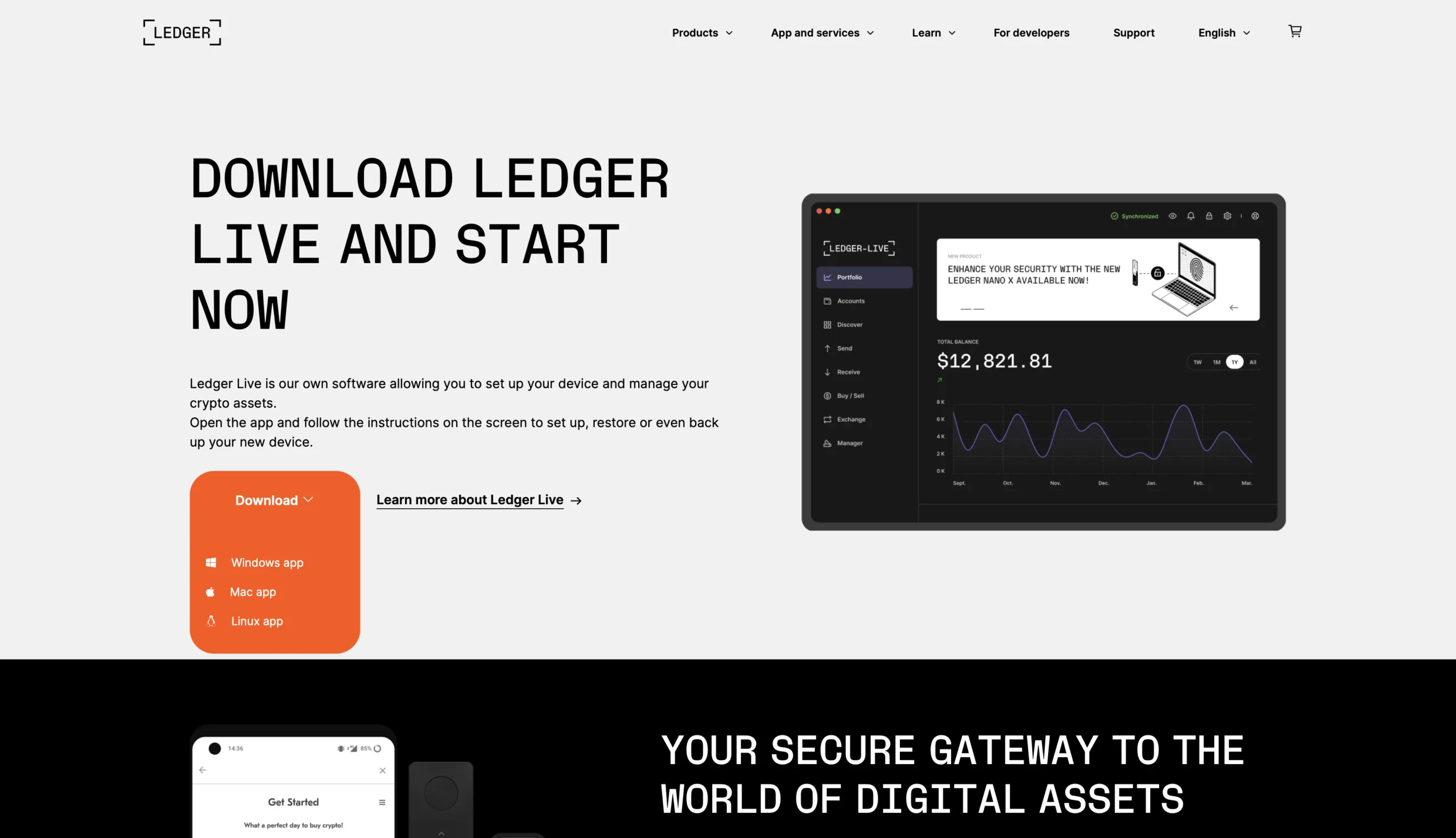
Getting Started with Ledger: A Comprehensive Guide
As the world of cryptocurrency grows rapidly, the need for secure storage solutions becomes increasingly important. Cryptocurrency, by nature, is decentralized, and once it’s in your wallet, it’s your responsibility to keep it safe. This is where Ledger, a leading company in hardware wallet solutions, comes into play.
In this guide, we’ll take a deep dive into what Ledger is, why it’s so important, and how you can get started with Ledger’s products. Whether you're new to cryptocurrency or looking to upgrade your security measures, this guide will provide you with all the information you need.
What is Ledger?
Ledger is a French-based technology company that specializes in hardware wallets for cryptocurrency. Founded in 2014, Ledger aims to provide the highest level of security for digital assets, offering both individuals and businesses the tools needed to store their cryptocurrencies safely. Ledger's flagship products are its Ledger Nano S and Ledger Nano X devices, which are designed to store private keys in a secure, offline manner.
Why Do You Need a Hardware Wallet?
Before diving into the specifics of Ledger’s products, it’s important to understand why you need a hardware wallet in the first place. Cryptocurrency is stored using private keys—secret codes that allow you to access your assets. If you lose your private keys or they are stolen, your cryptocurrency is gone forever.
Cryptocurrency exchanges, while convenient, are not always the safest places to store your funds. Hacks, scams, and server failures are just a few risks that come with keeping assets on an exchange. Hardware wallets, on the other hand, store your private keys offline, making it nearly impossible for hackers to steal them remotely. By using a hardware wallet like Ledger, you ensure that your cryptocurrency is safe from online threats.
Why Choose Ledger?
Ledger has established itself as one of the most reliable and secure options for storing cryptocurrency. Let’s explore why so many people trust Ledger with their digital assets:
1. Security First
Ledger’s hardware wallets are designed with security as the top priority. They utilize Secure Element (SE) chips, the same technology used in credit cards and passports. These chips create a secure environment to store private keys, making it extremely difficult for hackers to access them.
In addition, the Ledger wallet is air-gapped, meaning it does not rely on an internet connection to function. Your private keys are never exposed to the online world, significantly reducing the risk of hacking.
2. Wide Cryptocurrency Support
Ledger supports a broad range of cryptocurrencies. From Bitcoin (BTC) and Ethereum (ETH) to newer and smaller altcoins, the Ledger wallet is compatible with over 1,800 digital assets. This makes it a versatile solution for users who hold multiple types of cryptocurrency.
3. User-Friendly Interface
While the technology behind Ledger is advanced, the interface is simple to use. The Ledger Live software makes managing your assets easy, with features like transaction tracking, portfolio management, and secure crypto transactions.
4. Backup and Recovery
Ledger’s recovery phrase system ensures that you can always recover your assets, even if your hardware wallet is lost, damaged, or stolen. When you first set up your Ledger device, you’ll be given a 24-word recovery phrase. If you need to restore your wallet, simply enter this phrase into a new Ledger device, and all your funds will be restored.
Step-by-Step Guide to Setting Up Your Ledger Device
Let’s get into how to actually use Ledger. Setting up your device is simple, and you can get started in just a few steps.
Step 1: Unbox Your Ledger Wallet
When you receive your Ledger wallet, you’ll find the device itself, a USB cable, and a set of instructions. Be sure to only purchase a Ledger device directly from Ledger.com or an authorized retailer to avoid counterfeit devices.
Step 2: Install Ledger Live
Ledger Live is the companion software that works with your Ledger hardware wallet. It’s available for both Windows, Mac, and Linux operating systems, and also has mobile apps for iOS and Android.
Download Ledger Live from the official Ledger website and follow the installation instructions.
Step 3: Initialize Your Ledger Wallet
Once you have the device and Ledger Live software installed, connect your Ledger wallet to your computer or smartphone via the USB cable. Ledger Live will prompt you to initialize the device, which involves setting up your device for the first time.
Choose a PIN Code: This will be used to unlock your Ledger device. Be sure to pick something unique and secure.
Write Down Your Recovery Phrase: The most critical step in setting up your Ledger device is to write down the 24-word recovery phrase provided by the device. This phrase is your last line of defense if your wallet is lost or stolen. Store it in a safe place—never share it with anyone.
Step 4: Add Accounts to Ledger Live
Once the setup is complete, you can start adding cryptocurrency accounts to your Ledger wallet. Ledger Live allows you to manage various cryptocurrencies through separate accounts. To add an account, simply:
Open Ledger Live.
Click on the “Manager” tab.
Select the cryptocurrency you want to manage (e.g., Bitcoin, Ethereum, etc.).
Follow the prompts to add the account.
Step 5: Transfer Cryptocurrency to Your Ledger
Once your accounts are set up, you can transfer your cryptocurrency to your Ledger wallet. In Ledger Live, click on the “Receive” button for the account you want to deposit funds into. This will display your wallet address, which you can use to transfer funds from an exchange or another wallet.
Be sure to double-check the address before sending any funds to ensure everything is correct.
Step 6: Make Transactions
Once your cryptocurrency is stored on your Ledger, you can use it for transactions. To send cryptocurrency, click the “Send” button in Ledger Live, enter the recipient’s wallet address, and confirm the transaction.
Every transaction will require you to physically confirm it on your Ledger device, adding an additional layer of security.
Additional Features and Tips for Using Ledger
1. Enable Two-Factor Authentication (2FA)
For added security, you can enable two-factor authentication (2FA) for your Ledger Live account. This makes it even harder for someone to access your account, even if they get hold of your password.
2. Backup Your Recovery Phrase
Always keep a backup of your recovery phrase in a secure, offline location. Never store it digitally on your phone or computer, as that could leave it vulnerable to hacking. Many people store their recovery phrase in a safe or on metal backup plates that are fire-resistant.
3. Regularly Update Your Firmware
Ledger frequently releases firmware updates to enhance security and add new features. Always make sure your Ledger device is up-to-date by checking for updates in the Manager tab of Ledger Live.
4. Use the Ledger Nano X for Mobility
If you need to manage your crypto on the go, consider upgrading to the Ledger Nano X, which has Bluetooth functionality, allowing you to manage your assets with the Ledger Live mobile app. The Ledger Nano X is also more powerful than the Nano S, supporting a wider range of cryptocurrencies.
Conclusion
Ledger is one of the most trusted names in cryptocurrency security, and for good reason. Whether you’re a beginner or an experienced crypto user, securing your assets with a hardware wallet is one of the best decisions you can make. The Ledger Nano S and Nano X are user-friendly, highly secure, and support a wide range of cryptocurrencies.
By following the simple steps outlined in this guide, you can start your journey with Ledger, ensuring that your digital assets remain safe and secure. Remember: the security of your cryptocurrency is in your hands, and with Ledger, you’re taking the right steps to protect your investment.