How to Protect Your Crypto: A Simple Guide to Getting Started with Ledger
In the world of cryptocurrency, security is key. With the rise of digital assets like Bitcoin, Ethereum, and altcoins, keeping your investments safe is more important than ever. One of the best ways to do this is by using a hardware wallet—and Ledger is one of the most trusted brands out there.
If you're just getting started with crypto, or even if you're already an experienced user, you might be wondering how to keep your assets safe from hackers, phishing attacks, and other online threats. This is where Ledger comes in. In this guide, we’ll show you exactly how to get started with Ledger—from setting up your device to securing your crypto.
What is Ledger?
Ledger is a company that makes hardware wallets, which are physical devices designed to securely store your cryptocurrency offline. A hardware wallet is like a digital vault: it holds your private keys (the cryptographic keys that allow you to access and manage your crypto) safely away from online threats.
When you store your crypto on an exchange or in a software wallet, your private keys are vulnerable to hackers. But with Ledger, your keys never leave the device—so even if your computer or phone gets compromised, your crypto stays safe.
Why Should You Use Ledger?
You might be asking, "Why should I use a hardware wallet instead of just keeping my crypto in an exchange or a software wallet?" Here’s why Ledger is one of the best ways to protect your cryptocurrency:
1. Top-Level Security
Ledger wallets store your private keys offline, keeping them inaccessible to online hackers. Unlike exchanges or software wallets, which are constantly exposed to cyber attacks, Ledger keeps your keys in a secure hardware device that is physically disconnected from the internet.
2. Complete Control Over Your Crypto
When you use Ledger, you control the private keys to your assets. Unlike keeping your crypto on an exchange, where the exchange has control over your assets, Ledger ensures that only you can access your funds.
3. Backup & Recovery
Ledger provides a 24-word recovery phrase when you set up your device. If you lose your device or it gets damaged, you can restore your crypto using this recovery phrase. Just keep it safe—this is your ultimate backup.
4. Supports 1,800+ Cryptocurrencies
Ledger supports a wide variety of cryptocurrencies, including Bitcoin, Ethereum, Litecoin, and many others. If you’re holding multiple types of crypto, Ledger can securely store them all in one place.
How to Set Up Your Ledger Wallet
Setting up your Ledger wallet is quick, easy, and straightforward. Here’s a step-by-step guide to get you started, whether you’re using the Ledger Nano S or the Ledger Nano X.
Step 1: Unbox Your Ledger Wallet
When you receive your Ledger device (either the Nano S or Nano X), inside the box you’ll find:
The Ledger wallet (Nano S or Nano X).
A USB cable (for the Nano S) or Bluetooth for the Nano X.
A recovery sheet to write down your 24-word backup phrase.
A user manual to help guide you through setup.
Tip: Always buy your Ledger directly from Ledger.com to avoid counterfeit devices.
Step 2: Download Ledger Live
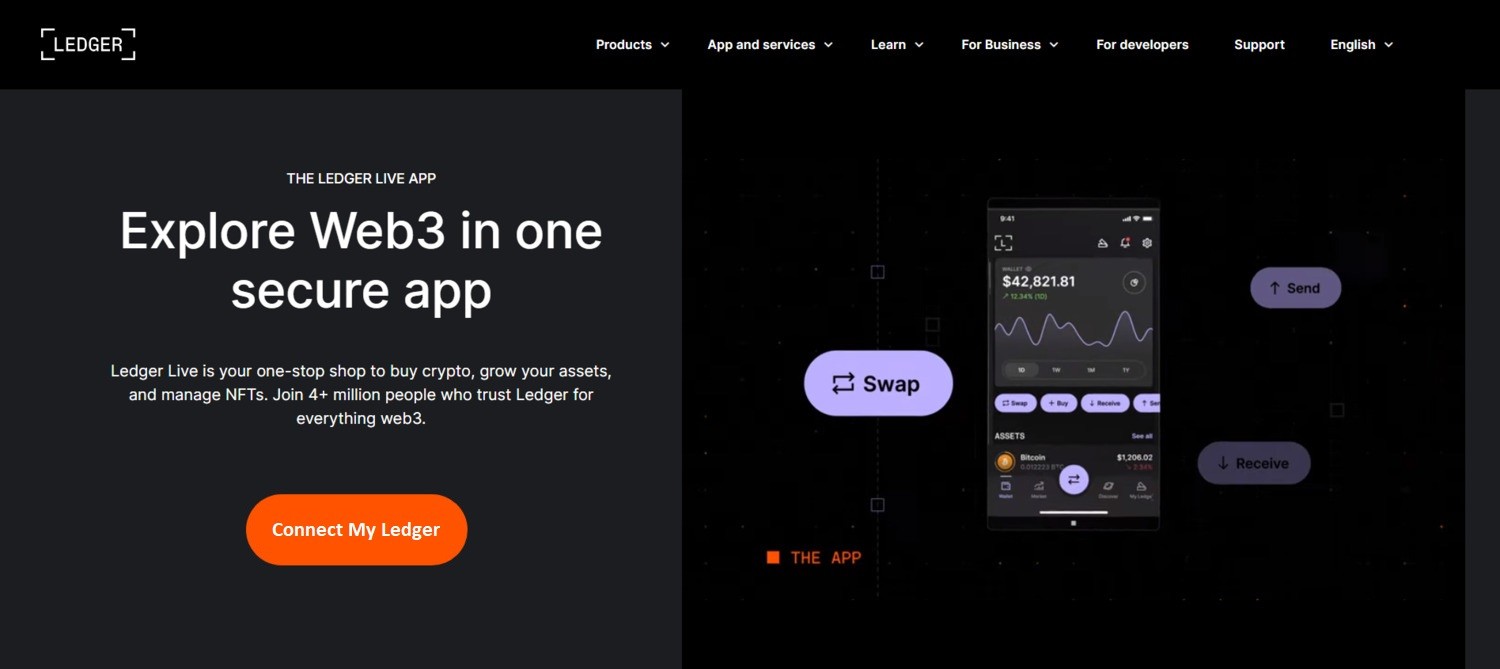
Ledger Live is the software used to manage your cryptocurrency. It’s available for Windows, Mac, Linux, and mobile devices (iOS/Android). Here's how to get it:
Go to the Ledger Live download page.
Select the correct version for your operating system or mobile device.
Follow the instructions to install the software.
Step 3: Set Up Your Ledger Device
Now that Ledger Live is installed, it’s time to set up your Ledger wallet.
Connect the Ledger wallet to your computer (for the Nano S) or pair it via Bluetooth (for the Nano X).
Create a PIN: When you first turn on your device, you’ll be prompted to set up a PIN code. This is a 4-8 digit code that locks your device.
Write down your recovery phrase: Your Ledger device will give you a 24-word recovery phrase. Write these words down carefully—this phrase is the only way to recover your funds if you ever lose your device. Keep it in a safe place and never store it online.
Step 4: Add Accounts to Ledger Live
Once your device is set up, you can start adding the cryptocurrencies you want to manage.
Open Ledger Live and go to the Manager section.
Click Add Account and select the cryptocurrency you want to manage (Bitcoin, Ethereum, etc.).
Follow the prompts to generate a new wallet address for the selected cryptocurrency.
Step 5: Transfer Crypto to Your Ledger Wallet
Now that your Ledger wallet is set up and linked to Ledger Live, it’s time to transfer your crypto into your hardware wallet.
In Ledger Live, select the account you want to receive funds to.
Click on Receive to generate your wallet address.
Copy the address and go to the exchange or wallet where your cryptocurrency is stored.
Paste your Ledger wallet address into the recipient field and send the crypto.
Ledger will prompt you to verify the transaction on your device before finalizing the transfer. This step ensures the transaction is secure and that your crypto is safely stored.
Step 6: Manage Your Crypto with Ledger Live
Once your crypto is on your Ledger wallet, you can use Ledger Live to:
Check your balances: View the total value of your holdings.
Send and receive funds: Easily transfer crypto to other addresses.
Track your portfolio: See real-time updates on the value of your assets.
Ledger Nano S vs. Ledger Nano X: Which One is Right for You?
When choosing a Ledger device, you’ll need to decide between the Ledger Nano S and the Ledger Nano X. Both are secure, but there are a few differences:
Ledger Nano S: A more affordable option, ideal for users who don’t mind a wired connection and don’t have a large portfolio.
Ledger Nano X: A premium option with Bluetooth functionality, allowing you to manage your crypto on the go using your smartphone. It also supports more cryptocurrencies and larger portfolios.
If you prefer a more mobile experience and need extra storage, the Nano X is a great option. If you're just starting out or only have a few assets, the Nano S is perfect for getting started at a lower price point.
Best Practices for Securing Your Crypto
Keep Your Recovery Phrase Safe: This phrase is your backup in case your Ledger is lost or stolen. Store it in a safe location (offline) and never share it with anyone.
Enable Two-Factor Authentication (2FA): Adding an extra layer of protection with 2FA can help keep your Ledger Live account secure.
Regularly Update Your Firmware: Ledger releases firmware updates to improve security. Make sure to check for updates in Ledger Live to stay protected.
Conclusion
Ledger is one of the most secure ways to store and manage your cryptocurrency. By using a Ledger hardware wallet, you’re ensuring that your private keys stay offline and protected from potential threats. The setup process is simple, and once you’re set up, managing your crypto is a breeze.
If you're ready to take control of your crypto security, head to Ledger.com/start, buy your device, and get started today!