Getting Started with Ledger: The Ultimate Guide to Secure Your Cryptocurrency
As cryptocurrency continues to grow in popularity, so does the importance of safeguarding digital assets. While there are numerous ways to store cryptocurrencies, the safest method by far is through a hardware wallet. If you’re looking for an easy, secure, and trustworthy solution, Ledger is a name that stands out.
This guide will take you through everything you need to know to get started with Ledger—how to set up your device, why it’s the best choice for protecting your crypto, and tips for managing your assets with confidence.
What is Ledger?
Ledger is a leading cryptocurrency security company, known for its hardware wallets. These devices are designed to securely store the private keys that give you access to your cryptocurrency. Without a hardware wallet, your keys are stored online, often on exchanges or software wallets, which are vulnerable to hacking and theft.
The two primary products offered by Ledger are the Ledger Nano S and the Ledger Nano X. Both are designed to offer a secure offline method to store your private keys, ensuring that your cryptocurrency stays safe, even if your computer or phone gets compromised.
Why Choose Ledger?
If you’re new to cryptocurrency or looking to upgrade your current security setup, you might wonder: Why should I choose Ledger?
1. Top-Tier Security
Ledger devices use a Secure Element (SE) chip, which is the same type of chip found in credit cards and passports. These chips protect your private keys from being hacked. Additionally, Ledger devices keep your private keys offline, which makes it almost impossible for hackers to access your funds remotely.
2. Ease of Use
Despite the complex technology behind it, Ledger is designed to be user-friendly. The Ledger Live software makes it easy to manage your assets, track transactions, and stay up to date with your portfolio—all while keeping your private keys offline.
3. Wide Cryptocurrency Support
Ledger supports over 1,800 cryptocurrencies including Bitcoin, Ethereum, Litecoin, and many more. Whether you’re a fan of the major coins or you’ve invested in altcoins, Ledger can handle it.
4. Recovery and Backup
Ledger gives you a 24-word recovery phrase when you first set up your device. This backup ensures that you can recover your funds even if your device is lost or damaged. Just write down the recovery phrase on paper and store it safely offline.
How to Set Up Your Ledger Device
Now that you know why Ledger is a great choice for crypto security, let’s dive into how to get started with your Ledger device.
Step 1: Unbox Your Ledger Device
When you receive your Ledger device, you’ll find the following items in the box:
The Ledger hardware wallet (either Nano S or Nano X)
A USB cable to connect to your computer (for Nano S) or Bluetooth (for Nano X)
Instruction manual
A recovery sheet to write down your 24-word recovery phrase
Before you begin, make sure your device is sealed and has not been tampered with. You’ll only want to buy Ledger products directly from Ledger.com to avoid counterfeit devices.
Step 2: Install Ledger Live
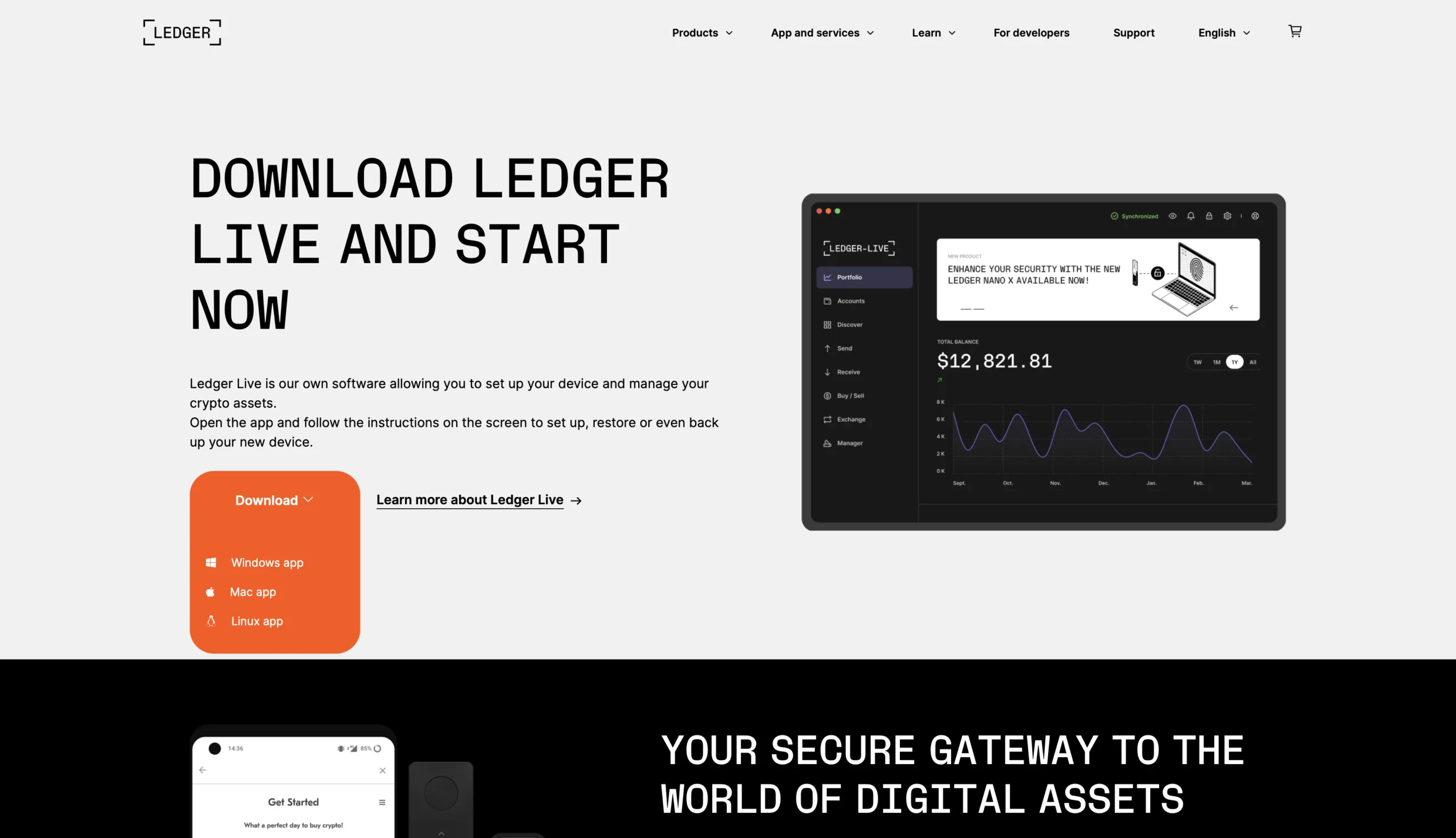
Ledger Live is the official software for managing your Ledger device. It’s available for both desktop (Windows, Mac, Linux) and mobile (iOS, Android) devices. Here’s how to get started:
Visit the official Ledger Live download page.
Choose the version compatible with your device (Windows, macOS, or mobile).
Follow the installation steps to set up Ledger Live on your computer or mobile phone.
Step 3: Set Up Your Ledger Device
Once Ledger Live is installed, it’s time to set up your Ledger device.
Connect your Ledger: Plug the Ledger Nano S into your computer (or connect the Nano X via Bluetooth on your mobile device). Ledger Live will automatically recognize your device.
Initialize the device: Follow the on-screen instructions to set up your device. You’ll be asked to create a PIN code (between 4 and 8 digits) to protect your device. Make sure to choose something secure, but easy for you to remember.
Backup Your Recovery Phrase: Ledger will provide you with a 24-word recovery phrase. This phrase is crucial—it’s your last line of defense if your device is lost, stolen, or damaged. Write it down carefully and store it in a safe offline location. Never share this phrase with anyone or store it online.
Step 4: Add Cryptocurrency Accounts
Once your device is set up, you can start adding your cryptocurrency accounts to Ledger Live:
In Ledger Live, go to the Manager tab.
Select the cryptocurrency you want to manage (e.g., Bitcoin, Ethereum).
Click Add account and follow the prompts. Your Ledger device will generate the corresponding public address for each account.
This is where you’ll receive your crypto. You can now use Ledger Live to manage and track your assets.
Step 5: Transfer Cryptocurrency to Your Ledger
To secure your crypto, you’ll need to transfer it from exchanges or other wallets to your Ledger wallet.
Find your address: Open Ledger Live and select the account you wish to receive crypto to. Click on the Receive button.
Copy your address: The software will show you a unique public address for that cryptocurrency. Double-check the address and copy it.
Send crypto: Go to the exchange or wallet where your crypto is stored. Paste your Ledger address and initiate the transfer. Make sure the transaction is correct, as crypto transactions are irreversible.
Step 6: Confirm the Transaction on Your Ledger Device
After initiating the transfer, you’ll need to confirm it on your Ledger device:
Verify the transaction details: Your Ledger device will display the transaction amount and destination address. Make sure these details are correct before confirming.
Approve the transaction: Once you’ve verified everything, use your PIN to approve the transaction.
Your cryptocurrency will be safely stored in your Ledger wallet, offline and secure.
Additional Tips for Using Ledger
1. Regularly Check for Firmware Updates
Ledger frequently releases updates to improve security and functionality. Keep your Ledger device and Ledger Live software updated to ensure you’re always using the most secure version.
2. Use Ledger Live for Portfolio Management
Ledger Live is not just for transferring crypto—it’s a full-featured portfolio management tool. You can track the value of your holdings, monitor your transactions, and keep an eye on any changes to your crypto assets in real-time.
3. Enable Two-Factor Authentication (2FA) for Extra Security
While Ledger’s hardware wallets are highly secure, adding two-factor authentication (2FA) to your Ledger Live account can provide an additional layer of protection. Enabling 2FA ensures that even if your login credentials are compromised, unauthorized access to your Ledger account will be blocked.
4. Store Your Recovery Phrase Safely
The recovery phrase is the most important piece of information for accessing your cryptocurrency. If it’s lost or stolen, you can lose access to your funds. Keep your recovery phrase in a secure location—never share it online or store it digitally.
Conclusion
Getting started with Ledger is a simple process, but it’s one of the most important steps you can take to ensure the security of your cryptocurrency. Ledger’s hardware wallets are trusted by millions around the world for their top-tier security, ease of use, and wide support for over 1,800 cryptocurrencies.
By following the steps in this guide, you’ll be well on your way to securing your digital assets and keeping them safe from hackers and online threats. Whether you’re just starting your crypto journey or looking to upgrade your security, Ledger is an excellent choice for keeping your cryptocurrency safe.