Getting Started with Ledger: Your Guide to Secure Crypto Storage
Cryptocurrency has gained massive popularity in recent years, but with this growth comes a pressing need for security. As digital currencies like Bitcoin and Ethereum become more valuable, ensuring that your assets are safe is critical. That's where Ledger comes in—a leader in hardware wallets designed to protect your crypto assets from hackers, fraud, and theft.
If you're new to cryptocurrency or you're looking to secure your existing holdings, using a hardware wallet like Ledger is one of the best decisions you can make. In this guide, we'll walk you through everything you need to know about setting up your Ledger device and how to start using it to manage your crypto.
What is Ledger?
Ledger is a hardware wallet that allows you to store your cryptocurrency offline. Unlike software wallets or exchanges where your private keys (the codes that give you access to your crypto) are online and vulnerable to cyber threats, a Ledger wallet stores your private keys in a secure, offline environment, making it almost impossible for hackers to access your assets.
The two main Ledger devices are the Ledger Nano S and Ledger Nano X. Both devices offer industry-leading security, with the Nano X providing added convenience, including Bluetooth connectivity for mobile management.
Why Should You Use a Ledger Wallet?
As the crypto market continues to grow, so does the importance of security. Here's why you should consider using Ledger to protect your digital assets:
1. Impenetrable Security
Ledger’s hardware wallets are designed to store your private keys offline, making them much less susceptible to hacks than wallets on exchanges or software wallets. They use Secure Element (SE) chips—the same type used in credit cards and passports—to ensure your keys stay safe.
2. Complete Control Over Your Assets
When you use a Ledger wallet, you’re in full control of your private keys. This is important because when you store your crypto on an exchange, you’re trusting that exchange to keep your funds safe. With Ledger, you hold the keys to your crypto, ensuring that it’s truly in your hands.
3. Support for a Wide Range of Cryptocurrencies
Ledger supports over 1,800 cryptocurrencies, including major ones like Bitcoin, Ethereum, and Litecoin, as well as a variety of altcoins. Whether you’re a seasoned crypto enthusiast or just starting out, Ledger can securely store all of your digital assets.
4. Backup and Recovery Options
One of the best features of Ledger is the ability to back up your private keys. When you set up your device, you’ll receive a 24-word recovery phrase. If your Ledger device is lost, damaged, or stolen, you can use this recovery phrase to restore your crypto on a new device.
How to Set Up Your Ledger Wallet
Getting started with Ledger is quick and easy, even if you’re new to crypto. Just follow these simple steps to set up your device and start securing your cryptocurrency.
Step 1: Unbox Your Ledger Wallet
When you first receive your Ledger wallet (Nano S or Nano X), you’ll find:
The Ledger device.
A USB cable (for Nano S) or Bluetooth connectivity (for Nano X).
An instruction manual to guide you through the setup.
A recovery sheet where you’ll write down your 24-word recovery phrase.
Important: Be sure to buy your Ledger wallet directly from the official Ledger website or an authorized retailer. Avoid third-party sellers to ensure the device hasn’t been tampered with.
Step 2: Install Ledger Live
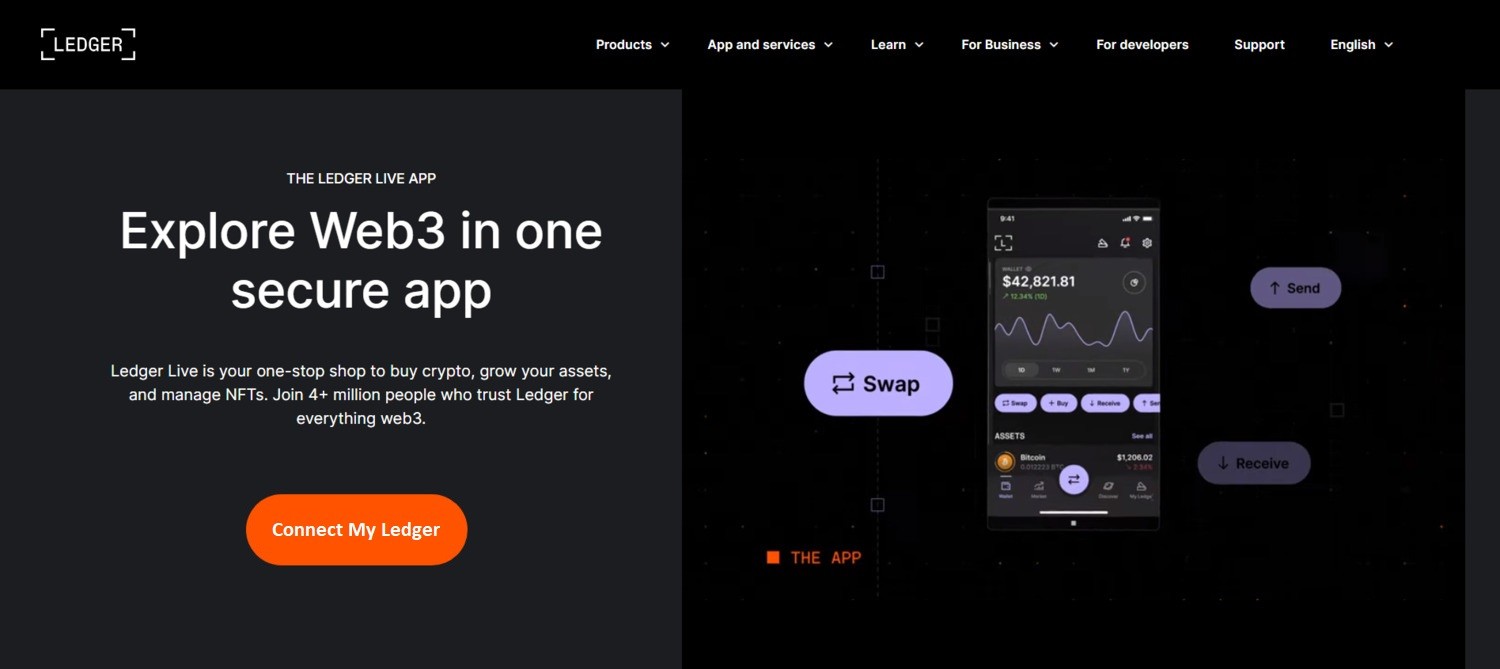
To manage your cryptocurrency, you’ll need to install Ledger Live, the companion software for your Ledger device. It’s available for Windows, Mac, and Linux as well as mobile devices (iOS and Android).
Visit Ledger Live download page.
Download the appropriate version for your operating system or mobile device.
Follow the instructions to install Ledger Live.
Step 3: Initialize Your Ledger Device
Once Ledger Live is installed, you’re ready to start setting up your Ledger device.
Connect your Ledger device: Plug the Ledger Nano S into your computer or connect the Nano X via Bluetooth to your phone or PC.
Create a PIN: You’ll be asked to create a PIN code to lock your Ledger device. Choose a secure PIN (4-8 digits) that only you will know.
Write down your recovery phrase: Ledger will give you a 24-word recovery phrase. This is your backup in case you ever lose access to your device. Write it down on the provided recovery sheet and store it somewhere safe—never store it digitally or share it with anyone.
Step 4: Add Cryptocurrency Accounts
Once your Ledger device is set up, you can add the cryptocurrencies you want to manage:
Open Ledger Live.
Go to the Manager tab and click Add Account.
Select the cryptocurrency you want to manage (e.g., Bitcoin, Ethereum).
Follow the prompts to add the account to your Ledger device.
Step 5: Transfer Cryptocurrency to Your Ledger Wallet
To store crypto in your Ledger wallet, you need to transfer it from an exchange or other wallet:
In Ledger Live, select the cryptocurrency account you want to receive funds to.
Click Receive to generate the wallet address.
Copy the address and use it to send crypto from another wallet or exchange.
Before confirming the transaction, Ledger will ask you to physically approve the transfer on your Ledger device for added security.
Step 6: Start Managing Your Crypto
Once your crypto is in your Ledger wallet, you can use Ledger Live to:
Track your balance and see the value of your holdings.
Send crypto to other addresses securely.
Monitor your transactions and portfolio.
Ledger Nano S vs. Ledger Nano X: Which One is Right for You?
Choosing between the Ledger Nano S and Ledger Nano X depends on your needs:
Ledger Nano S: The more affordable option. It’s ideal for those with a small number of assets who don’t need Bluetooth connectivity.
Ledger Nano X: The premium option with Bluetooth support, allowing you to manage your crypto on the go using the Ledger Live mobile app. It also has more storage capacity, making it suitable for people with larger portfolios.
Both are highly secure, so your choice ultimately depends on how you plan to use your device.
Tips for Using Ledger Safely
Store Your Recovery Phrase Safely: The recovery phrase is the key to recovering your assets. Write it down and store it in a safe place—never share it with anyone.
Enable Two-Factor Authentication (2FA): Adding 2FA to your Ledger Live account adds another layer of security. This helps protect your account even if your password is compromised.
Regularly Update Your Firmware: Ledger frequently releases firmware updates to improve security. Check for updates regularly in Ledger Live to ensure your device has the latest security patches.
Conclusion
Starting with Ledger is one of the most effective ways to secure your cryptocurrency. With its cutting-edge security features, user-friendly setup process, and support for over 1,800 cryptocurrencies, Ledger is a trusted choice for crypto holders worldwide.