How to Secure Your Crypto with Ledger: The Ultimate Beginner’s Guide
Cryptocurrency is growing in popularity every day, and with it comes the need for proper security. If you're holding crypto—whether it's Bitcoin, Ethereum, or any other asset—you've probably heard about the risks of storing it online. If you're looking for a way to keep your cryptocurrency safe from hackers, fraud, or even accidental loss, a Ledger hardware wallet is one of the best tools available.
In this guide, we'll show you exactly how to get started with Ledger—whether you're new to crypto or already familiar with digital assets. We'll explain why hardware wallets like Ledger are essential, how to set up your device, and what makes Ledger one of the most trusted names in crypto security.
What is Ledger?
At its core, Ledger is a company that creates hardware wallets—physical devices designed to store your private keys offline. Your private keys are the most important part of your cryptocurrency; they allow you to access, send, and receive digital assets. If someone gains access to your private keys, they can take your crypto. That's why keeping your private keys safe is so important.
Ledger devices are designed to store these private keys offline, which makes them far less vulnerable to online threats, such as hacking or malware. Think of it as a digital vault, only you hold the key.
Why Should You Use a Ledger Wallet?
You might be asking, "Why do I need a hardware wallet? Can't I just use an exchange or software wallet?" While exchanges and software wallets are convenient, they are not always secure. Here's why Ledger is a much safer choice:
Security First
When you store crypto on an exchange or in a software wallet, your private keys are online, which makes them vulnerable to hacks. Ledger keeps your keys offline on the device, ensuring that even if your computer or smartphone is compromised, your assets remain safe.Full Control Over Your Crypto
With Ledger, you hold the private keys to your assets, not a third party like an exchange. This means you are the sole person responsible for your crypto—no one else can access it without your device and PIN.Supports Over 1,800 Cryptocurrencies
Whether you’re holding Bitcoin, Ethereum, or a variety of altcoins, Ledger supports over 1,800 cryptocurrencies. So, if you're invested in multiple digital assets, Ledger can securely store them all.Backup and Recovery
If you ever lose your device, don’t worry. Ledger provides a 24-word recovery phrase that can be used to recover your crypto on a new device. This phrase is the ultimate backup, so long as you keep it safe.
How to Set Up Your Ledger Wallet: Step-by-Step Guide
Setting up your Ledger device is fast and easy. Whether you’re using the Ledger Nano S or the Ledger Nano X, the process is similar. Here’s how to get started:
Step 1: Unbox Your Ledger Wallet
When you get your Ledger wallet, you’ll find:
The Ledger hardware wallet (Nano S or Nano X).
A USB cable (for Nano S) or Bluetooth for Nano X (for mobile use).
An instruction manual to guide you.
A recovery sheet to write down your 24-word recovery phrase.
Important: Always buy your Ledger directly from Ledger.com to avoid purchasing counterfeit devices.
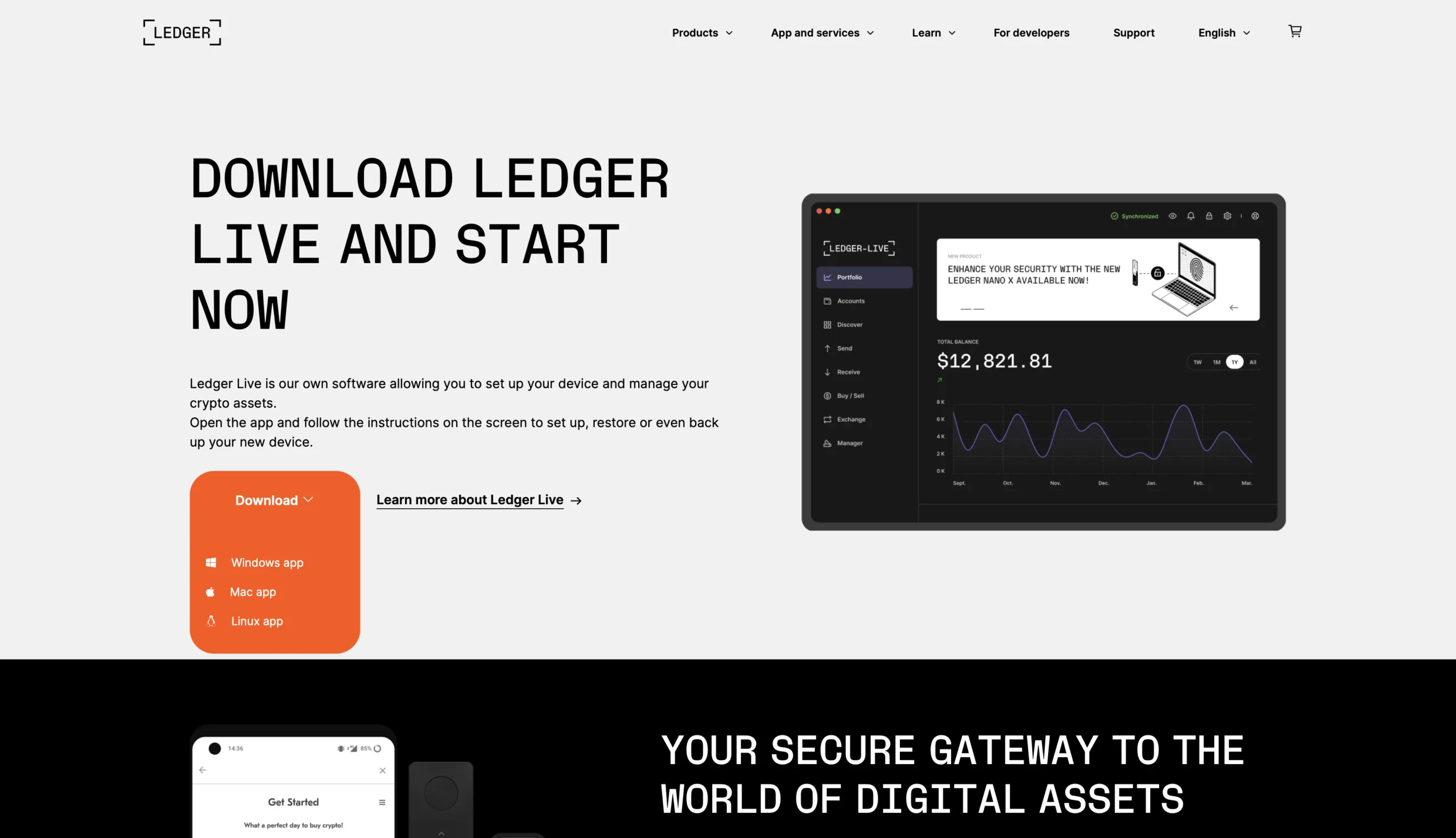
Step 2: Download Ledger Live
Ledger Live is the software you’ll use to manage your cryptocurrency once it's on your Ledger wallet. It’s available for Windows, Mac, Linux, and mobile devices (iOS and Android). Here’s how to get it:
Go to the official Ledger Live download page.
Choose the correct version for your computer or mobile device.
Follow the instructions to install Ledger Live.
Step 3: Set Up Your Ledger Device
Once Ledger Live is installed, it’s time to set up your Ledger device:
Connect your Ledger wallet to your computer using the USB cable (for Nano S) or Bluetooth (for Nano X).
Create a PIN: You’ll be asked to set up a PIN (4-8 digits) to lock your Ledger device. This PIN will protect your wallet if it gets lost or stolen.
Backup your recovery phrase: Your Ledger device will give you a 24-word recovery phrase. Write this phrase down on paper and store it in a safe place. This is your backup—if anything happens to your device, you can use the recovery phrase to restore your assets.
Step 4: Add Cryptocurrency Accounts to Ledger Live
Now that your device is set up, it’s time to add your cryptocurrency accounts. Here’s how:
Open Ledger Live and go to the Manager tab.
Select the cryptocurrency you want to manage (e.g., Bitcoin, Ethereum).
Click Add Account to link the cryptocurrency account to your Ledger wallet.
Ledger will automatically generate a secure address for your account.
Step 5: Transfer Cryptocurrency to Your Ledger Wallet
To start storing your crypto on Ledger, you’ll need to transfer it from an exchange or another wallet:
In Ledger Live, select the account you want to receive funds to.
Click Receive to generate your wallet address.
Copy the address and paste it into the “Send” section of your exchange or wallet.
Double-check the address to make sure it’s correct.
Confirm the transaction on your Ledger device by physically verifying the transfer.
Step 6: Start Using Your Ledger Wallet
Once your crypto is safely stored on your Ledger wallet, you can use Ledger Live to:
Track your balance: See how much cryptocurrency you have and monitor its value.
Send crypto: If you want to send crypto, simply click on Send in Ledger Live and confirm the transaction on your Ledger device.
Manage multiple accounts: You can add multiple accounts for different cryptocurrencies and manage them all through Ledger Live.
Ledger Nano S vs. Ledger Nano X: Which One Should You Choose?
Both the Nano S and Nano X offer excellent security, but there are a few differences that might help you decide which one is right for you:
Ledger Nano S: The more affordable option. Great for those with a smaller portfolio who don’t mind using a wired connection to manage their crypto.
Ledger Nano X: The premium option with Bluetooth functionality, allowing you to manage your crypto on the go with the Ledger Live mobile app. It’s ideal for those with a larger portfolio or who prefer mobile management.
Which one should you pick? If you want a simple and affordable option, go for the Nano S. But if you want the added convenience of Bluetooth and a larger storage capacity, the Nano X is a great choice.
Tips for Maximizing Your Ledger Experience
Store your recovery phrase securely: The recovery phrase is your only backup. Write it down, keep it offline, and never share it with anyone.
Use Two-Factor Authentication (2FA): Enable 2FA for your Ledger Live account for extra security.
Keep your device updated: Ledger regularly releases firmware updates to improve security. Be sure to check for updates in Ledger Live to stay protected.
Conclusion
Securing your cryptocurrency with a Ledger wallet is one of the smartest decisions you can make as a crypto holder. By keeping your private keys offline and under your control, Ledger offers unbeatable protection against hackers and online threats.
If you’re ready to get started with Ledger, visit Ledger.com/start to purchase your device and begin securing your crypto today. With Ledger, your assets are in safe hands.