How to Get Started with Ledger: A Complete Beginner's Guide
As the world of cryptocurrency continues to grow, one of the most important things for any crypto holder is ensuring the security of their digital assets. This is where Ledger comes in—a leader in hardware wallets designed to protect your cryptocurrency.
Whether you’re new to the world of crypto or already an experienced trader, securing your funds with a hardware wallet is essential. Ledger offers a reliable, easy-to-use solution that makes managing your crypto both safe and accessible. In this guide, we’ll walk you through everything you need to know to get started with Ledger, from purchasing the device to using it for transactions.
What is Ledger?
Ledger is a company that offers hardware wallets, which are specialized devices designed to store your cryptocurrency securely. When you store your crypto on an exchange or software wallet, your private keys (the codes that give you access to your crypto) are online, making them vulnerable to hacks.
A hardware wallet, like those offered by Ledger, keeps your private keys offline, ensuring that they are much safer from potential cyber threats. Ledger wallets are designed to offer maximum security and user-friendliness, making them ideal for both beginners and experienced crypto holders.
Ledger’s two most popular products are the Ledger Nano S and the Ledger Nano X. Both devices offer cutting-edge security features, but the Nano X is equipped with Bluetooth capabilities for added convenience.
Why You Need a Hardware Wallet Like Ledger
Before we get into the specifics of how to use Ledger, it’s essential to understand why hardware wallets are a must-have for anyone dealing with cryptocurrency:
1. Security
The most significant benefit of using a hardware wallet is security. Ledger’s devices store your private keys offline, making it nearly impossible for hackers to steal your funds. Even if your computer or smartphone gets hacked, your crypto is safe on the Ledger wallet.
2. User Control
When you use a hardware wallet, you have full control over your private keys. Unlike storing crypto on an exchange, which could be hacked or even shut down, your Ledger wallet ensures that your assets are under your control 24/7.
3. Support for Multiple Cryptocurrencies
Ledger wallets support a wide range of cryptocurrencies. Whether you're holding Bitcoin, Ethereum, Litecoin, or even altcoins like XRP or Tezos, Ledger has got you covered. The Ledger wallet can manage over 1,800 cryptocurrencies, making it a versatile solution for crypto enthusiasts.
How to Set Up Your Ledger Wallet: Step-by-Step
Setting up your Ledger device is easy and straightforward. Let’s break it down step by step to make sure you can start securing your crypto right away.
Step 1: Unbox Your Ledger Device
When you first receive your Ledger device (either the Nano S or Nano X), you’ll find the following inside the box:
The Ledger hardware wallet.
A USB cable (for Nano S) or Bluetooth connectivity (for Nano X).
An instruction manual for setup.
A recovery sheet to write down your 24-word recovery phrase.
Important: Always buy your Ledger device from an official retailer or Ledger.com to avoid counterfeit products.
Step 2: Install Ledger Live
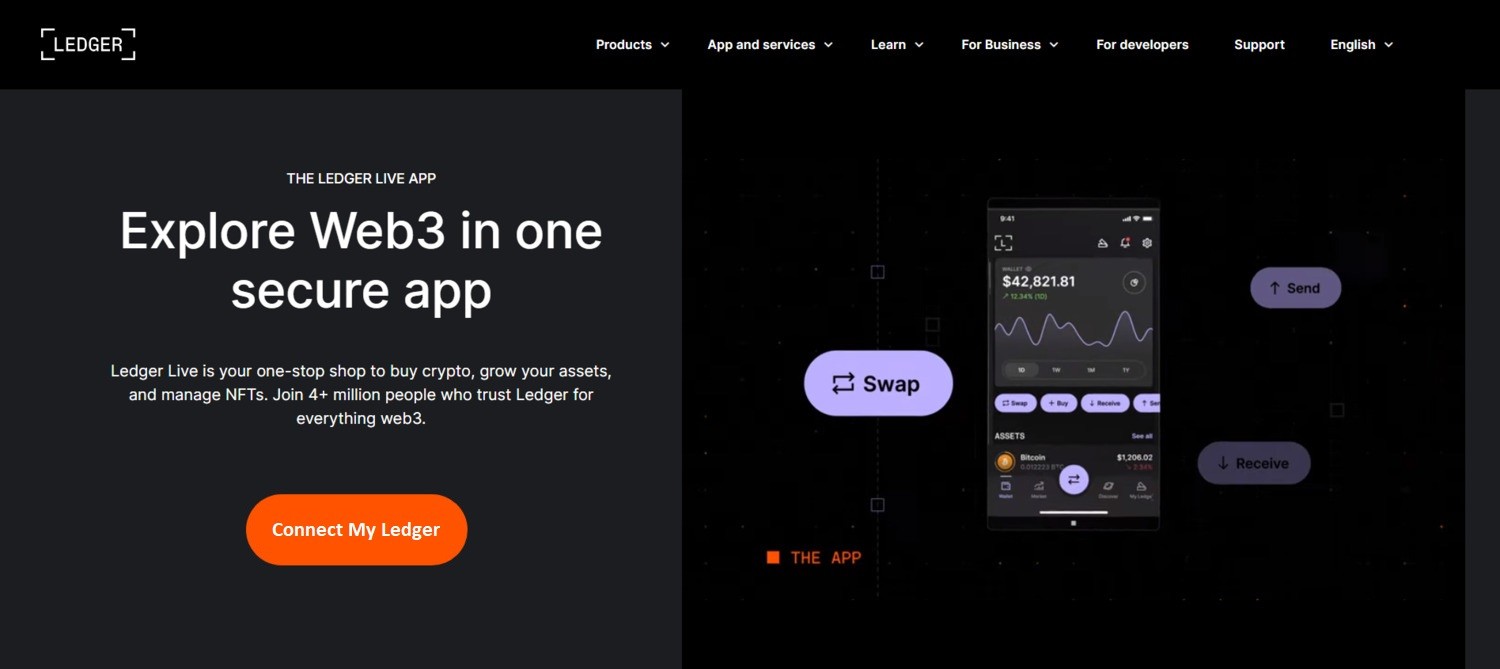
Ledger Live is the official software that allows you to manage your cryptocurrency with the Ledger device. It’s available for both Windows, Mac, and Linux, as well as mobile devices (iOS and Android).
Visit the official Ledger Live download page.
Download the correct version for your operating system.
Follow the on-screen instructions to install Ledger Live.
Step 3: Initialize Your Ledger Device
Once you’ve installed Ledger Live, it’s time to get your Ledger device up and running.
Connect your Ledger device: Plug the Ledger Nano S into your computer using the USB cable. If you have the Ledger Nano X, you can connect it via Bluetooth to your mobile device or computer.
Set up the device: Follow the on-screen instructions in Ledger Live to initialize the device. You’ll be prompted to choose a PIN code (4-8 digits). This will be used to unlock your Ledger device whenever you use it.
Write down your recovery phrase: The most critical step is to backup your 24-word recovery phrase. This phrase is your key to recovering your crypto if your device is lost or damaged. Write it down on the provided recovery sheet and store it in a safe offline location. Never store your recovery phrase online or share it with anyone.
Step 4: Add Accounts to Ledger Live
Now that your device is set up, you can add accounts for different cryptocurrencies.
In Ledger Live, go to the Manager tab.
Click on Add Account for the cryptocurrency you wish to manage.
Follow the prompts, and Ledger Live will automatically generate the appropriate public address for the crypto asset.
Step 5: Transfer Cryptocurrency to Your Ledger
Once your Ledger device is set up and your accounts are added, you can start transferring crypto to your wallet.
In Ledger Live, select the cryptocurrency account you wish to receive funds into.
Click on Receive to generate the unique wallet address.
Copy the address and paste it into the “Send” section of the exchange or wallet where your cryptocurrency is stored.
Verify the transaction on your Ledger device before confirming.
Ledger requires you to physically confirm transactions on your device, adding an extra layer of security.
Step 6: Manage Your Crypto Assets
Now that your cryptocurrency is securely stored, you can use Ledger Live to manage your portfolio:
Track your balances: See the value of your holdings, transaction history, and more.
Send crypto: When you’re ready to make transactions, simply click on Send in Ledger Live, enter the recipient's address, and confirm the transaction on your Ledger device.
Update your firmware: Keep your Ledger device up to date by checking for firmware updates in the Manager tab.
Ledger Nano S vs. Ledger Nano X: Which Should You Choose?
Ledger Nano S:
Best for users who don’t mind a wired connection.
Supports over 1,800 cryptocurrencies.
Ideal for those with a small number of assets.
More affordable than the Nano X.
Ledger Nano X:
Bluetooth functionality for managing crypto on the go.
Larger storage capacity for more cryptocurrencies.
More expensive, but perfect for those who need mobile access or manage a large portfolio of assets.
Tips for Maximizing Your Ledger Experience
Keep Your Recovery Phrase Safe: The 24-word recovery phrase is the key to recovering your assets. Store it in a safe, offline location—like a safe deposit box or a fireproof container.
Enable Two-Factor Authentication (2FA): Ledger Live offers an additional layer of security by enabling 2FA for accessing your account. This ensures your funds remain safe even if your credentials are compromised.
Keep Your Firmware Updated: Ledger frequently releases firmware updates to improve security. Always check for updates regularly to make sure your device is protected with the latest security features.
Why Ledger is the Right Choice for Beginners
Ledger is a great choice for anyone getting started with cryptocurrency because it’s:
Secure: Your private keys are stored offline, away from potential cyber attacks.
Simple to use: The Ledger Live software makes it easy to manage your portfolio.
Reliable: Trusted by millions worldwide for its security and ease of use.
By following the steps in this guide, you can safely and easily store your cryptocurrency on a Ledger hardware wallet. Whether you're a beginner or have been involved with crypto for years, Ledger is an excellent choice to ensure your assets are protected.